
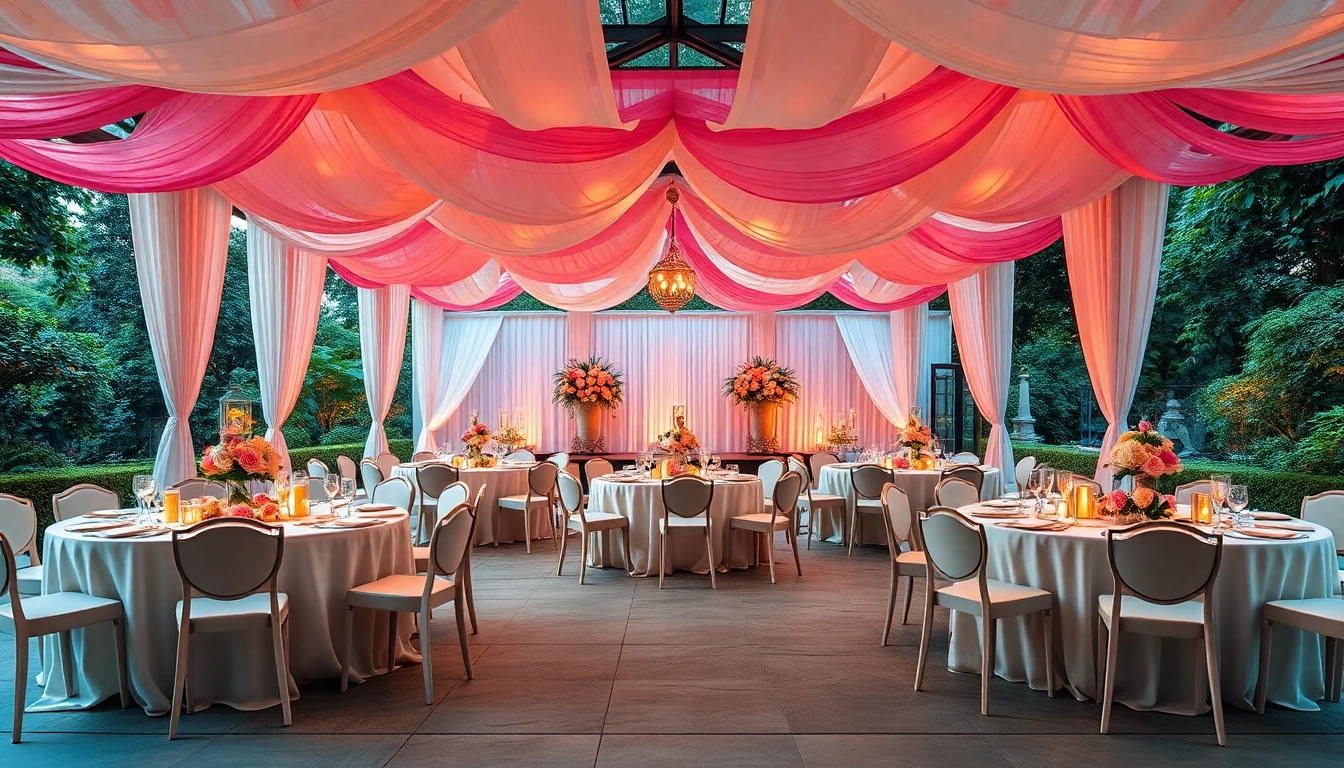
Understanding Event Types and Their Unique Requirements
Events come in different shapes and sizes, each with its unique set of requirements. Understanding these variations is crucial for successful planning. Whether it’s a corporate function, wedding, or festival, each type has distinct objectives and logistics. Knowing these differences will allow you to tailor your strategy effectively. For assistance in managing diverse event needs, you can explore https://www.casablancahire.co.uk/ for expert guidance.
Corporate Events
Corporate events are typically organized for enhancing business relationships and promoting company culture. They include conferences, product launches, and team-building activities. A successful corporate event usually aims to foster networking, gather feedback, and celebrate milestones. The following elements are essential:
- Purpose Definition: Clearly state the goals of the event, such as educating employees or launching a new product.
- Target Audience: Understand who will attend to tailor your messages and materials accordingly.
- Professional Logistics: Ensure that AV equipment, seating arrangements, and catering fit the professional environment.
Weddings
Weddings are deeply personal events rich in tradition and emotion. They require meticulous planning to ensure that every detail aligns with the couple’s vision. Key considerations include:
- Theme and Personalization: Choosing a theme that reflects the couple’s personality can make the event memorable.
- Vendor Selection: From photographers to caterers, sourcing reliable vendors is paramount for smooth delivery.
- Guest Experience: Ensure comfort and engagement for all guests through activities and logistics management.
Festivals and Public Gatherings
These events serve the purpose of community engagement, cultural celebration, or entertainment. Planning requires an understanding of scale, safety, and inclusivity, which involves:
- Permits and Regulations: Obtain necessary permits and ensure compliance with local regulations for large gatherings.
- Safety Measures: Develop a security plan and first aid response to manage large crowds effectively.
- Entertainment and Activities: Diverse programming can attract various demographics and enhance overall engagement.
Essential Elements of a Successful Event
The backbone of any event lies in its essential elements, which shape the guest experience and reflect the event’s objectives. Here’s what to consider:
Venue Selection
The venue is more than just a physical location; it sets the tone of the event. When selecting a venue, consider:
- Capacity: Ensure the venue can comfortably accommodate the expected number of guests.
- Accessibility: Choose a location that is easy to access for all attendees, including those with disabilities.
- Ambiance: Select a venue that aligns with the event’s theme and enhances the experience.
Decoration and Theme
Decoration contributes significantly to the atmosphere of the event. Considerations include:
- Cohesiveness: Ensure that decorations align with the overall theme to provide a unified vision.
- Creative Elements: Use lighting, floral arrangements, and artwork to create visually stunning environments.
- Budgeting: Plan your decoration expenses wisely to balance aesthetics and costs.
Catering and Refreshments
Catering is a vital aspect that can enhance or detract from the guest experience. Key factors include:
- Menu Planning: Offer diverse food options to accommodate dietary restrictions and preferences.
- Service Style: Decide on buffet, plated service, or food stations based on the event’s format.
- Tasting Sessions: Organize tasting sessions with caterers to ensure food quality meets expectations.
Effective Event Planning Strategies
The effectiveness of event execution relies heavily on strategic planning. Here are critical strategies for flawless execution:
Timeline Creation
Creating a comprehensive timeline is essential for timely and structured execution. Steps include:
- Define Milestones: Identify all key tasks and set deadlines for each to ensure accountability.
- Task Assignment: Delegate responsibilities to team members according to their skills and expertise.
- Monitoring Progress: Regularly review timelines and make adjustments as necessary.
Budget Management
A well-thought-out budget is the backbone of successful event planning. Key points to consider:
- Itemizing Costs: Break down all components including venue, catering, and entertainment.
- Contingency Funds: Set aside a percentage for unexpected costs to avoid budget overruns.
- Regular Reviews: Monitor expenditures in real-time to ensure alignment with budgetary constraints.
Vendor Coordination
Effective coordination with vendors ensures seamless service delivery. Strategies include:
- Clear Communication: Maintain open lines of communication with all vendors to avoid misunderstandings.
- Contracts Review: Carefully review all contracts to confirm terms, conditions, and service expectations.
- On-Site Management: Assign a point person to handle vendor coordination during the event for real-time troubleshooting.
Maximizing Guest Experience
An unforgettable guest experience is often what makes events stand out. Here are ways to enhance this aspect:
Engagement Activities
Engagement is crucial for guest satisfaction. Consider the inclusion of:
- Interactive Elements: Use polls, games, or live Q&As to increase guest participation.
- Networking Opportunities: Create spaces and time for attendees to connect and build relationships.
- Entertainment Options: Hire performers or speakers that resonate with your audience to maintain interest.
Seamless Logistics
Logistics must be carefully planned to enhance the guest experience. Key components include:
- Registration Processes: Implement efficient check-in processes to reduce wait times and build excitement.
- Clear Signage: Use signs for navigation to guide attendees seamlessly throughout the venue.
- Transportation Arrangements: Provide clear information on transportation options to and from the venue for ease of access.
Feedback and Improvement
Gathering feedback post-event is crucial for continuous improvement. Steps include:
- Post-Event Surveys: Utilize surveys to glean insights into guest satisfaction and areas needing improvement.
- Debrief Meetings: Conduct meetings with your team and vendors to discuss what worked and what didn’t.
- Implement Changes: Use feedback to inform future events, ensuring ongoing evolution and client satisfaction.
Trends in Event Planning
The event planning landscape is constantly evolving. To stay ahead, it’s crucial to understand current trends:
Virtual and Hybrid Events
The rise of virtual and hybrid events has transformed how audiences engage. Key considerations include:
- Technology Utilization: Invest in reliable platforms and tools to facilitate seamless virtual engagement.
- Content Adaptation: Tailor content to suit both in-person and online audiences for maximum engagement.
- Interactivity Elements: Incorporate chat functions, live polls, and breakout rooms to create lively discussions.
Sustainability in Events
Sustainability has become a priority for many organizers. Consider adopting eco-friendly practices by:
- Green Providers: Source vendors who utilize sustainable materials and processes.
- Waste Management: Implement recycling and composting measures to minimize waste.
- Digital Materials: Favor digital invites and programs to reduce paper waste.
Technology Integration
Leveraging technology can greatly enhance events. Important trends include:
- Event Apps: Use dedicated event apps for schedules, maps, and networking opportunities.
- AI and Data Analytics: Utilize AI for personalized guest experiences and data analytics for improved planning.
- Augmented Reality: Engage guests with AR experiences for immersive interaction during the event.
Frequently Asked Questions
What is the first step in event planning?
The first step is defining the purpose and goals of the event, followed by identifying your target audience. This will shape all subsequent planning actions.
How far in advance should I plan an event?
Typically, corporate events should be planned at least 3-6 months in advance, while weddings often require 6-12 months. Larger public events may need even more time.
What elements are essential for a successful event?
Key elements include venue selection, catering, decoration, logistics, and engaging activities. Each plays a crucial role in the overall experience.
How can I ensure guest engagement during my event?
Incorporate interactive activities, networking opportunities, and diverse entertainment options to keep guests engaged and involved throughout the event.
What are some common challenges in event planning?
Common challenges include budget overruns, vendor coordination, and unexpected changes. Regular communication and contingency planning can help mitigate these issues.


